
Visiting a Maple Farm in Spring: What to Expect, Ask, and Buy
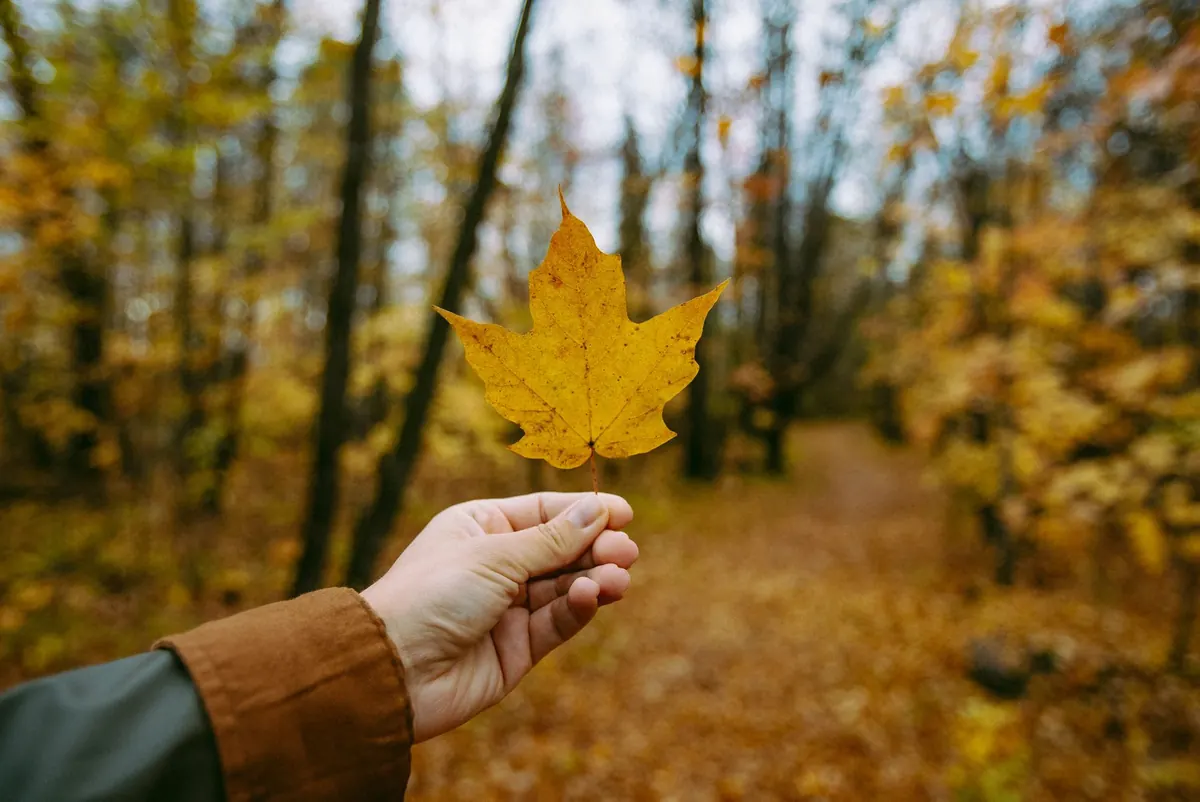
Spring at a maple farm is a working season, not a staged attraction. Steam rolls out of the sugarhouse, muddy paths lead to tapped trees, and the smell of boiling sap hangs in the cold air. If you time it right, you can watch a batch move from clear sap to amber syrup in a single afternoon. The trick is knowing what to expect, what to ask, and what to bring home.
Why Spring Is the Sweet Spot
Maple sap runs when nights are freezing and days are mild. That freeze-thaw rhythm usually happens in late winter and early spring, depending on the region. A farm may boil for a few weeks or a couple of months. Weather can shift plans fast: a warm spell slows the sap, a cold snap stops it, and a sudden thaw can turn the parking area into a mud pit.
Call or check the farm’s social pages before you drive out. Ask whether they are boiling that day. Some farms welcome drop-in visitors only on weekends; others offer tours by reservation. If you are traveling a long distance, confirm the sugarhouse is open and the evaporator is running.
What Happens on a Sugarhouse Tour
Tours range from a quick walk-through to a full demonstration. You might start in the woods, where lines of tubing run from tree to tree, or in the sugarhouse, where the evaporator dominates the room. Either way, wear boots you don’t mind getting muddy and dress in layers. Sugarhouses are often warm near the evaporator and chilly near the door.
Sap to syrup, in plain terms
Sap is mostly water with a small amount of sugar. To make syrup, the farmer boils off most of that water. The exact ratio changes through the season and from tree to tree, but it takes many gallons of sap to make one gallon of syrup. That is why the boil is long, fuel-hungry work.
Many farms use reverse osmosis to remove some water before boiling, which saves time and fuel. Others boil entirely with wood or oil. You may see filters, holding tanks, hydrometers, and a finishing pan. Ask before touching anything. This is a food production space, and the equipment is hot.
The boil demonstration
A boil demo is the heart of the visit. The evaporator roars, steam fills the air, and the farmer watches the syrup closely. You will likely see foam, bubbling sap, and a draw-off valve where finished syrup is pulled. Keep children close and behind any barrier. Do not lean over the evaporator or put cups near the pans unless the staff invites you to.
Tasting Room Etiquette
Many farms set out small cups, spoons, and a row of syrups by color. The goal is to compare, not to drink syrup like juice. A few polite habits make the tasting better for everyone.
- Take one small cup at a time. Taste, then move on.
- Use a fresh spoon or cup for each sample. Do not double-dip.
- Start with the lightest color and work toward the darkest. The flavor gets stronger as the color deepens.
- Notice aroma first, then take a small sip. Sweetness is obvious; look for vanilla, caramel, butter, or woody notes.
- Ask before taking a bottle from a display. Some are for sale, some are props.
If you are tasting with children, help them pace themselves. A little syrup goes a long way. Water or a plain cracker between samples can reset your palate.
Questions Worth Asking
The best visit is a curious one. Farmers are usually happy to explain their work if you ask when they are not in the middle of a critical boil. Good questions include:
- Which trees do you tap, and how long have they been producing?
- Is this syrup from this season’s sap?
- How do you decide when a batch is finished?
- What color and grade do you recommend for pancakes, baking, or glazes?
- Do you use reverse osmosis, and how does that change the taste?
- How should I store this once I get home?
- Do you ship, or is there a local shop that carries your syrup?
- Are there other maple products available today, like cream, sugar, or candy?
If the sugarhouse is packed, save detailed questions for the sales area or a quieter moment. A farmer who is firing the evaporator may not be able to give you a long answer.
Buying Fresh Syrup at the Farm
Buying direct is part of the fun. You get to taste before you commit, and you often find products that never reach grocery shelves. Here is how to choose well.
Match the color to the job
Lighter syrups tend to be delicate. They are lovely on vanilla ice cream, yogurt, pancakes, or in cocktails. Amber syrups are the all-purpose choice for breakfast and general cooking. Dark and very dark syrups have a stronger maple flavor that stands up in baking, barbecue sauce, marinades, and glazes.
Think about container and size
Glass looks good on the table, plastic is lighter for travel, and metal tins can be traditional. If you plan to freeze syrup, ask the producer what they recommend for their container. A small bottle makes a good gift; a larger jug is better if you cook with maple often. Maple cream and maple sugar are also worth trying, especially if you want maple flavor without a liquid mess.
Storage and freshness
Unopened syrup keeps best in a cool, dark place. Once opened, refrigerate it. Follow the farm’s storage instructions, and use clean utensils when pouring. If you see mold on the surface, do not guess. Check with the producer or discard it. When in doubt, throw it out.
Make the Day Work for You
Spring weather is unpredictable. Bring waterproof boots, a warm layer, and a bag for purchases. A cooler in the car helps if you are driving far or buying several bottles. Some small farms prefer cash, so carry a little even if cards are accepted. Leave pets at home unless the farm explicitly allows them; this is a working property with hot equipment and food production.
Go early if you want a quieter tour. Weekends can be busy, especially during peak boiling. If you have mobility concerns, call ahead to ask about paths, stairs, and seating. And remember that sap runs on its own schedule. A farm may close early if the boil ends or the weather turns.
Before You Leave the Sugarhouse
Take one last look at the steam, thank the people who made the syrup, and buy a bottle you actually liked. Ask how to store it, then keep it cool on the ride home. A spring visit to a maple farm is a short season, but the syrup in your kitchen can last much longer. Go with muddy boots, honest curiosity, and room in your bag. That is how a good sugarhouse day ends: sticky fingers, a lighter wallet, and a pantry that smells like spring.
Photo: Josh Hild / Pexels